
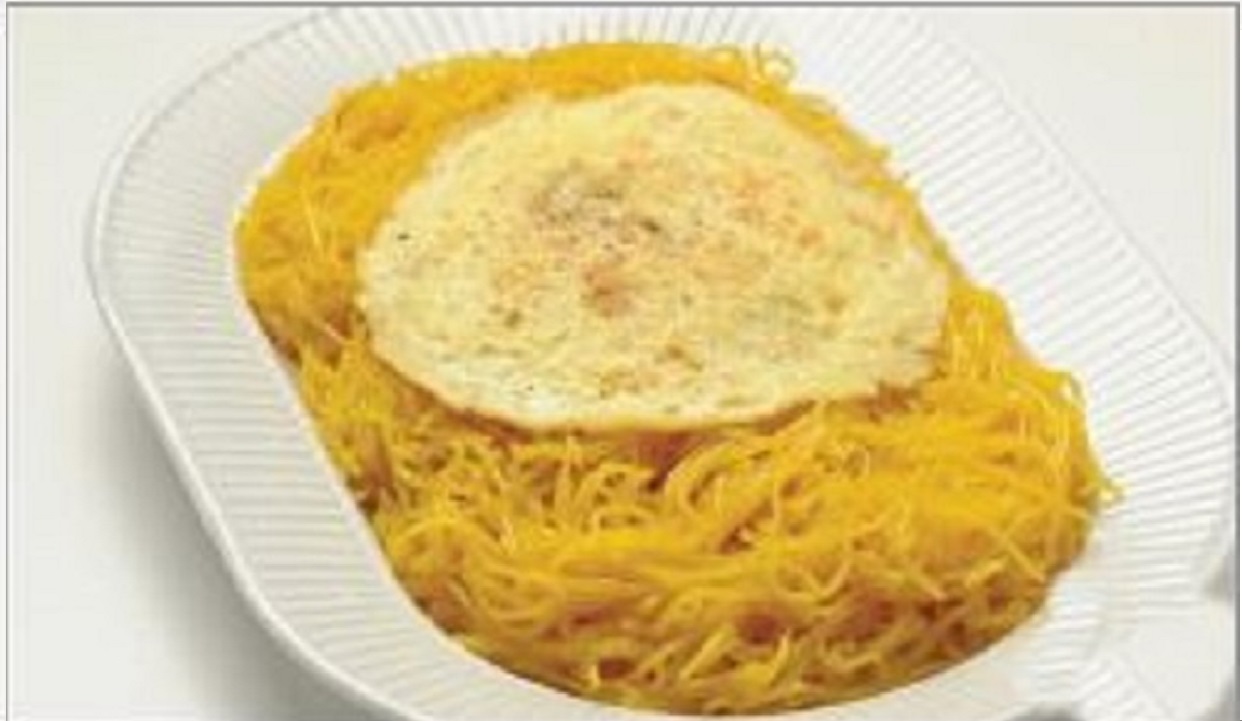
Al-Balaleet - A Gulf dish whose meaning is deeply rooted in the history of Arabs
The majority of us may not know the meaning and historical origins of the word “balaleet” (Arabic According to the ancient historic references .(بلاليط and the inherited popular heritage currently circulating, the balaleet is a sweet local dish served as a breakfast in the Gulf societies. However, many of us are curious to know whether the word is of an Arab origin or an alien one, as well as its different connotations and meanings in the Arab heritage.
Balalait is not a non-Arab word. Indeed, it is a standard Arabic term the meaning of which, as cited in the old Arabic dictionaries, has nothing to do with the term balaleet, the famous Gulf meal. In fact, in these dictionaries the word in itself does not have any meaning other than the “even, flat planes” just like tiles.
In ancient Arabic medical books, the word balaleet is widely mentioned. It symbolizes substances cut into pieces and kneaded to be used to treat wounds and other miscellaneous diseases not much known. Hence, here is the ballet meaning medicine. In his ancient book, Kitab al-Qanun Fit-Tibb (The Canon of Medicine), Ibn Sina (also Avicenna) mentions the term mamitha (horned poppy), saying: “It is a horned poppy just like yellow to black, easy to break tiles.” Hence, the mamitha is similar to the dry, yellow easy-to-break vermicelli, meaning the balaleet, our sweetened popular dish.
The term balaleet is also referred to as the cleavages and trenches made in the middle of fields for watering the plant, which are locally called “fali” or “falaj” (Arabic فلج) the plural of which is aflaj (Arabic أفلاج).
The term is derived from the meaning of the rectangular shape which is divided the same way the fields and aflaj are divided in the Sultanate of Oman and the United Arab Emirates, for example. In their overall appearance, these cleavages and trenches resemble the tile’s veins and lines.
Touching upon the popular balaleet dish would raise several questions: When was the term balaleet highlighted? What are its origins? Has it been prepared in ways other than those it is known by? Does it have other names in Arabic and/or other languages?
To answer some of these questions, it is worth mentioning other types of spaghetti known as “pasta” and “vermicelli (wheat noodles),” which belong to the same family of pastries. These consist of the same ingredients, namely water, flour and salt. The Arabs had taken them to Italy where they were used to prepare delicious dishes which become very popular at the Arab, western and world levels.
The sweetened balaleet is prepared from vermicelli’s pastries. Ancient Arabs used to wrap and carry this meal with them in their travels. In the Arabian Gulf countries, it is prepared and served as a breakfast and at special occasions and holidays, and as a pre-dawn meal (sahoor) (Arabic سَحور) during the holy month of Ramadan.
To prepare the balaleet, the vermicelli is boiled in water to which some salt and oil are added; then it is drained of water in a colander after ripening. Vermicelli is returned to the pot where sugar, saffron, cardamom, cinnamon, and butter (or ghee) are added and stirred together constantly until they turn reddish brown. They are then topped up by egg-omelet and served glowing in a golden color that radiates as the sun beams at sunrise.
مقالات ذات صلة
الملكة «زنوبيا » والسر المُحيّر
الكاتب : جمال بن حويرب من هي الملكة «زنوبيا »؟ وكيف تزوجت الملك «أذينة » الثاني ملك تدمر؟ وكيف وصلت إلى حكم مدينة «تدمر » التاريخية؟ وهل حقاً قتلت زوجها ووليّ عهده، أم إنه محض افتراء عليها؟ وهل لها صلة قرابة بالفراعنة؟…
البلاليط
الكاتب: أ.جمال بن حويرب الكثير منَّا لا يعلم معنى كلمة “بلاليط “وما هي مرجعيتها التاريخية، ما وَصَلَنَا عنها وما درج في الثقافة الشعبية، أنها طبق مُحلَّى يقدم كوجبة للإفطار عند أهل الخليج. لكن يدفعنا الفضول كثيراً…
زايد يهتم بخزَّان ماء
الكاتب: علي عبيد الهاملي كتب وتحدَّث الكثيرون قبلي عن المغفور له، الشيخ زايد بن سلطان آل نهيان، طيَّب الله ثراه، وسيكتب ويتحدَّث عنه الكثيرون بعدي، لكنَّنا لن نفي الشيخ زايد، عليه رحمة الله، حقَّه وقدره؛ لأنه كان زعيماً…
مهرجانات التمور.. تراث وغذاء
إعداد: خليل برّي يوجد في دولة الإمارات العربية المتحدة أكثر من 120 صنفاً من التمور، وحوالي 42 مليون نخلة، منها ما هو محلِّيٌّ موجودٌ أساساً، ومنها ما أدخل إلى الباد من البلدان المجاورة، مثل دول الخليج العربي والعراق…