coffee
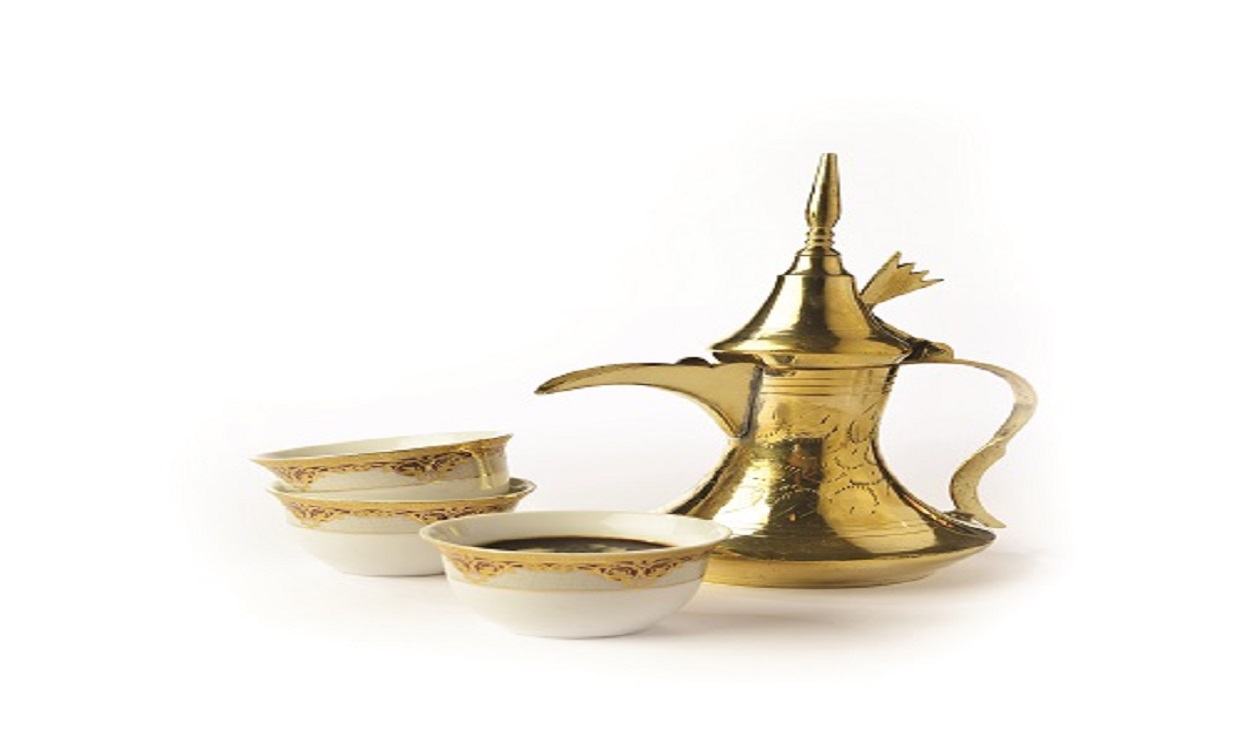
The meaning and origin of "coffee" remains anonymous to many coffee consumers. In this issue of Orbits & Inscriptions, we have selected the word "coffee" to talk about. Everyone knows that coffee is a hot drink that can be prepared by boiling brown or black coffee beans in water, either clear or flavored with cardamom, saffron and cinnamon. However, what does "coffee" mean? What is its origin? Who discovered it? Where and when?
In order to answer these questions, we start by mentioning that only few people know that the origin of the word "coffee" is "wine".
Several poems expressed this idea including: It is such a reddish coffee with a musky aroma
Refined in a strainer to be sipped in goblets...
By: Rabi'ah bin Sufyan If I were fortunate enough I would buy Coffee with all the money I have
To please my heart wherever I go..
By: Yazid bin Muslimah bin Abd al-Malik
The day they left made me slightly tipsy
As if I was drinking coffee of Darom Wine..
By: Ismail bin Yasar
It seems that many poets, precisely the poets of the Jahiliyyah, have praised coffee and associated it with wine. However, over time, the meaning of coffee was changed from wine to Punn (coffee). But, how has this shift taken place?
At first, coffee was called wine as it can give a feeling of fullness without eating a single bite of food.
To clarify further, we need to dig for the meaning, history and origin of Punn. In Arabic, Panna means good aroma, and in some Arab countries it means good flavor. This vocabulary is frequently used in our modern dictionaries. Most importantly, how was Punn or coffee derived from the word Panna?
Coffee has a great pleasant aroma and studies have confirmed the good effects of coffee in humans. Consequently, Punn was derived from the word Punna which means good aroma.
The second interpretation is that the word Punn came from Bonga, an area in southeastern Ethiopia. This interpretation is probably out of the question; because Bonga is an agricultural area that produces lots of fruit and vegetables, so why such products were not attributed to Bonga like Punn was?
Given that Punna was the origin of the word Punn, what was the origin of the word coffee, which was used to mean wine? Why did the Arabs call it wine although Islam prohibits alcoholic beverages?
A possible interpretation could be that the Arabs have replaced the "prohibited coffee" (wine) with "Halal coffee" (Punn).
However, we exclude this interpretation as coffee was discovered in the ninth century AH, while alcoholic beverages were forbidden at the beginning of Islam. Therefore, when the Arabs knew coffee in the ninth century AH, poets praised Punn in their poems and metaphorically called it coffee.
Besides its delicious taste and good smell, coffee was used for therapeutic purposes. It had a rich history and was associated with the region where it was discovered. During the fourteenth century AD, coffee was discovered in the Kingdom of Kaffa a region in southeast Ethiopia.
In the ninth century AH, the Yemeni theologian Abu Bakr bin Abdullah al-Shazili al-Aidarousi visited Bonga, capital of the Kingdom of Kaffa, where coffee was widely grown, yet untapped into despite its abundance. He found that coffee makes him feel more energetic allowing him to worship more vigorously, thus he started to recommend it to his followers. So coffee spread in Yemen and other countries and became very popular. Yemeni Sufis took coffee to Al-Ḥijāz (present-day Saudi Arabia) during their many Hajj and Umrah journeys. From there coffee reached Egypt, Turkey then Europe in the seventeenth century AD. In 1645, the first coffee shop was opened in Italy.
In Islamic countries and European countries as well, there had been a big debate whether coffee should be "allowed" or "outlawed". Some presumed that coffee has the same effects of wine, but this was proved to be wrong.
"How can this coffee be prohibited while I always drink it"(Sheikh Saeed bin Khalfan AL-Khalili)
After that, coffee spread to the rest of the world. Nowadays, over 400 billion cups of coffee are consumed worldwide each year, which makes coffee one of the most popular drinks.
المزيد بقلم محرر الموقع
تحقيق قصيدة أبو دباس
الكاتب: أ. سعد الحافي تمهيد: تشكل النصوص اليتيمة ظاهرة ملفتة في الادب الفصيح والعامي ودائما ما ترتبط بحدث، وبين يدينا أحد تلك النصوص من الشعر العامي، فلم يعرف للشاعر غيره وقد شاع تناقله بين الناس نتيجة ارتباطه بقصة…

رحالة الغرب في ديار العرب
الكاتب : أسعد الفارس لا بد وأن يكون لكل مسافر أو رحالة قصص وطرائف، غرائب وعجائب عاشها في فترة الترحال، وذلك لأن اختلاف الثقافات والأصول يجلعه يعايش كل لحظة تمر عليه ويمعن النظر فيها، لأن كل ما يراه يكاد يكون جديدا عليه،…
رحلات الحج الإماراتية القديمة شهادات تستذكر قوافل الأبرار
مجلة مدارات ونقوش - دبي بعد انقضاء أكثر من ستين يوماً على الانتهاء منها، يحبس الإماراتيون أنفاسهم ويولّون وجوههم شطر الغرب، يستشرفون الأفق البعيد علّهم يرونها تسير ببطء، بعدما أضناها السفر أشهراً عديدة.. قد يفلحون في…
مقالات ذات صلة
معجم القهوة
الكثيرُ مِمَّن يحتسون القهوة لا يعرفون معناها ولا أصلها، وإنَّها مفردتنا التي اخترناها لكم في هذا العدد من (مدارات ونقوش). ما يعرفه العام وحتى الخاص أنَّها شراب ساخن محضَّر من البن، لونها بنيٌّ أو أسود، تُطْبَخ خاليةً…
مركز الملك عبدالعزيز التاريخي .. رحلة في ذاكرة السنين
الكاتب: د.علي بن ذيب الأكلبي لا تكتمل الزيارة للرياض من دون المرور بمركز الملك عبدالعزيز التاريخي، الذي يقع في قلب مدينة الرياض.. كيف لا والمركز يحكي فصولاً مهمَّة في عمر المملكة العربية السعودية ومراحل تؤرِّخ للكثير من…
لمحة عامة عن دخول المطابع إلى المشرق العربي .. تاريخ الطباعة في دبي
الكاتب: حسين درويش بين العام 1958 ويومنا الحاضر مسافة زمنية عمرها 60 عاماً، وهي في عمر حرق المسافات تعدُّ قصيرةً نسبيًّا مذ عرفت دبي الطباعة تلك السنة، وتحوُّلها إلى الطباعة الحديثة التي تنافس أشهر مطابع العالم في وقتنا…